• Skip to primary navigation
  • Skip to main content
  • Skip to primary sidebar
DW Angola

DW Angola

Development Workshop Angola

  • About DW
    • About DW Angola
    • Timeline
    • Articles About DW
    • About Angola
    • Key Members & Staff
  • Programs
    • Water & Sanitation
    • Land Rights & Settlements
    • Climate Change
    • Informal Economy
    • Microfinance
    • Research
    • Voices of Citizens for Urban Change
    • Decentralisation & Governance
    • Natural Resources, Mining & Development
    • Peacebuilding & Citizenship
    • Urban Transport
    • AngoNet
  • Partners
  • Publications
    • Books by DW
    • Papers by DW
    • Articles about DW
    • DW Developments
    • Compendium of Angolan laws
  • Community Media
    • Ondaka
    • A Voz de Cacuaco
    • Boletim Informativo
    • Ecos do Heneda
    • Inforsambila
    • Journal Humbi-Humbi
    • Reconversáo
  • Forums
    • Friday Debates
    • Housing Finance
    • Urban Debates
    • Social & Economic Rights Forum
    • Sustainable Urban Planning
    • Training Courses
    • Espaço Sociedade Civil
    • Fórum Urbano no AngoNet
    • Fórum Cazenga
    • Fórum Cacuaco
    • Staff Blog
  • Events
    • COVID-19 Actions
  • Contest
  • Contact
  • English
    • English
    • Português
  • Show Search
Hide Search

Co-producing urban knowledge in Angola and Mozambique: towards meeting SDG 11

The need to make cities in Africa ‘more inclusive, safe, resilient and
sustainable’, as encapsulated in the stand-alone urban goal 11
adopted as part of the 17 United Nations (UN) Sustainable
Development Goals (SDGs) in 2015, is undisputed as rapid urban
growth rates are set to make the African region a key hub in the
global transition to a predominantly urban world. This will not
only require new and more transformative public policies that
address the social, economic and environmental dimensions of
sustainable development, but also data to inform planning,
implementation and reporting

Co-producing urban knowledge in Angola and Mozambique: towards meeting SDG 11

The need to make cities in Africa ‘more inclusive, safe, resilient and
sustainable’, as encapsulated in the stand-alone urban goal 11
adopted as part of the 17 United Nations (UN) Sustainable
Development Goals (SDGs) in 2015, is undisputed as rapid urban
growth rates are set to make the African region a key hub in the
global transition to a predominantly urban world. This will not
only require new and more transformative public policies that
address the social, economic and environmental dimensions of
sustainable development, but also data to inform planning,
implementation and reporting

Modelo De Gestão Comunitária De Água

No âmbito do processo de reformas das políticas do
sector de águas em curso no país, muitas esperanças
foram confiadas na Direcção Nacional de Águas (DNA)
e seus parceiros sociais para definir e estabelecer princí-
pios básicos, que permitam uma gestão comunitária
eficaz e eficiente das infra-estruturas de abastecimento
de água e saneamento.

OSISA-CMI (2012) Angola-Infrastructure-report-ENG

As an annual average, the
reconstruction activities constitute
around 10 per cent of GDP. The
importance of new infrastructure,
utilities, and public buildings for
economic development is well
documented, and for these reasons,
the government has been commended
internationally for its prioritizations.
We also know, however, that the
construction sector globally is at a
particular risk of corruption, involving
or resulting in collusion, fraud, cost
overruns, weak quality, and lack of
maintenance. It is often a result of
weak governance institutions and
regulation.

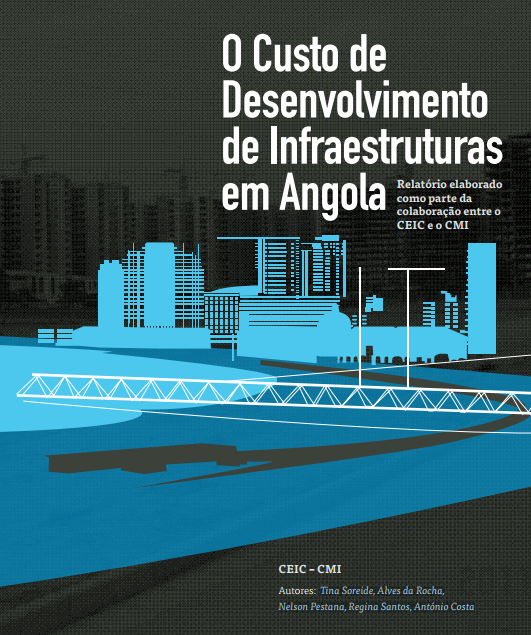
OSISA-CMI (2012) Angola-Custo de Infraestuturas (Portuguesa)

Em média anual, as actividades de
reconstrução constituem cerca de
10 por cento do PIB. A importância
de novas infra-estruturas, serviços
públicos e edifícios públicos para
o desenvolvimento económico
está bem documentada e, por estas
razões, o governo tem sido elogiado
internacionalmente por suas
priorizações. Sabemos também que,
no entanto, o sector da construção a
nível mundial está particularmente
exposto a um risco de corrupção,
envolvendo ou resultando em conluio,
fraude, excesso de custos, qualidade
fraca e falta de manutenção. Isto é
amiúde causado por instituições de
governança e regulamentos frágeis.

  • « Go to Previous Page
  • Page 1
  • Interim pages omitted …
  • Page 65
  • Page 66
  • Page 67
  • Page 68
  • Page 69
  • Interim pages omitted …
  • Page 287
  • Go to Next Page »

Primary Sidebar

Resources

  • Angolan Media Scan
  • Online Library
  • Land Library
  • Community-Led Total Sanitation
  • Community Water – MoGeCA
  • KixiCrédito
  • HabiTec
  • LUPP
  • Urban Forum on AngoNet
  • AngoNet Webmail
  • Audio Archive
  • Africa-China Urban Initiative

Follow us on...

Sign up for E-Alerts

© 2026 Development Workshop Angola | Log in Built by PeaceWorks

  • Home
  • About DW
  • Programs
  • Partners
  • Publications
  • Community Media
  • Forums
  • Events
  • Contact