• Skip to primary navigation
  • Skip to main content
  • Skip to primary sidebar
DW Angola

DW Angola

Development Workshop Angola

  • About DW
    • About DW Angola
    • Timeline
    • Articles About DW
    • About Angola
    • Key Members & Staff
  • Programs
    • Water & Sanitation
    • Land Rights & Settlements
    • Climate Change
    • Informal Economy
    • Microfinance
    • Research
    • Voices of Citizens for Urban Change
    • Decentralisation & Governance
    • Natural Resources, Mining & Development
    • Peacebuilding & Citizenship
    • Urban Transport
    • AngoNet
  • Partners
  • Publications
    • Books by DW
    • Papers by DW
    • Articles about DW
    • DW Developments
    • Compendium of Angolan laws
  • Community Media
    • Ondaka
    • A Voz de Cacuaco
    • Boletim Informativo
    • Ecos do Heneda
    • Inforsambila
    • Journal Humbi-Humbi
    • Reconversáo
  • Forums
    • Friday Debates
    • Housing Finance
    • Urban Debates
    • Social & Economic Rights Forum
    • Sustainable Urban Planning
    • Training Courses
    • Espaço Sociedade Civil
    • Fórum Urbano no AngoNet
    • Fórum Cazenga
    • Fórum Cacuaco
    • Staff Blog
  • Events
    • COVID-19 Actions
  • Contest
  • Contact
  • English
    • English
    • Português
  • Show Search
Hide Search

Participatory Planning & Alexandra Development Forum

On 17 November 2001, community stakeholders established the Alexandra Development Forum (ADF) as a formal and legal structure aimed at promoting broad-based community participation in the project. The various stakeholders including civil society organisations as well as community members felt that they had not been included in the Alexandra Urban Renewal Project planning.

The Alexandra Urban Renewal Project (AURP) promotes a form of participatory decision-making, especially through the participation of the citizens of Alexandra. The Urban Renewal Strategy that is implemented is a locally driven process by which the public, business and local government work collectively together to create better conditions for urban renewal in order to sustain livelihood and to improve future housing and economic prospects. This included groups such as the business community, civic associations, non-governmental organisations (NGOs), and the youth and women – all were stakeholders in the proceedings, planning and implementation of the AURP. Community representatives, have roles in forums and influence the decision–making process in the Project.

The main role of the ADF is to act as watchdog for the community regarding the Alexandra Urban Renewal Project – for instance, by ensuring that tenders and procurement issues are implemented fairly and transparently. Community members are also informed about possible jobs to be created when projects are implemented, in order to foster local economic development. The ADF has the power to advise the AURP and make recommendations but the project is not bound by any decision taken by the ADF.

At ADF meetings, the communities of Alexandra, particularly those affected by the project, are given a chance to ask questions and request clarifications about projects taking place in their areas. General meetings are used as mechanisms where consultants and project officials give feedback through presentations and become answerable to the communities of Alexandra. Community members use the opportunity to ask questions or lodge complaints about the housing list, the relocations, rates (water and electricity), et cetera. Members of the community are permitted to raise their opinions but there is no legal guarantee that people’s opinions will be implemented.

PORTUGUESE:

Planejamento Participativo & Fórum de Desenvolvimento de Alexandra: em 17 de novembro de 2001, as partes interessadas da comunidade estabeleceu o Fórum de Desenvolvimento Alexandra (FDA) como uma estrutura formal e legal que visa promover a participação da comunidade de base ampla no projeto. As várias partes interessadas, incluindo as organizações da sociedade civil, bem como membros da comunidade sentiram que não tinham sido incluídos no planejamento Alexandra Renovação Urbana Projeto.

O Projeto de Renovação Urbana de Alexandra (PRUA) promove uma forma de tomada de decisão participativa, especialmente através da participação dos cidadãos de Alexandra. A Estratégia de Reabilitação Urbana que é implementado é um processo conduzido localmente através do qual o público, das empresas e do trabalho em conjunto do governo local em conjunto para criar melhores condições para a renovação urbana, a fim de sustentar a vida e melhorar o futuro da habitação e as perspectivas econômicas. Isto incluiu grupos como a comunidade empresarial, associações cívicas, organizações não-governamentais (ONGs), e os jovens e as mulheres – todos estavam interessados ​​no processo, planejamento e implementação do PRUA. Os representantes da comunidade, têm papéis em fóruns e influenciar o processo de tomada de decisão no Projeto.

O principal papel do ADF é funcionar como um vigilante para a comunidade em relação ao PRUA – por exemplo, ao assegurar que as propostas e questões relativas aos contratos são implementadas de forma justa e transparente. Os membros da comunidade também são informados sobre possíveis empregos a serem criados quando os projetos são implementados, a fim de promover o desenvolvimento econômico local. O FDA tem o poder de aconselhar o PRUA e fazer recomendações, mas o projeto não está vinculado a qualquer decisão tomada pelo FDA.

Nas reuniões FDA, as comunidades de Alexandra, particularmente aqueles afetados pelo projeto, têm a oportunidade de fazer perguntas e solicitar esclarecimentos sobre os projetos que ocorrem em suas áreas. As assembleias gerais são usados ​​como mecanismos onde os consultores e funcionários do projeto dar feedback através de apresentações e tornam-se responsáveis ​​perante as comunidades de Alexandra. Os membros da comunidade aproveitar a oportunidade para fazer perguntas ou apresentar queixas sobre a lista habitação, as deslocalizações, as taxas (água e eletricidade), et cetera. Os membros da comunidade estão autorizados a levantar as suas opiniões, mas não há garantia legal de que a opinião das pessoas será implementado.

Julian Baskin – Alexandra Urban Forum:

DOWNLOAD PDFS:


VIDEO – Eyewitness News Report video,
10 years after the launch, the Alexandra Renewal Project is still incomplete much to the frustration of residents:

Xolile Nxumalo – Participation in the Alexandra Urban Forum:
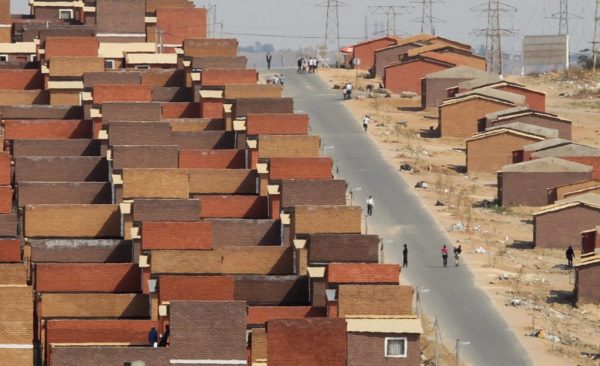
Alexandra Township’s Social Housing

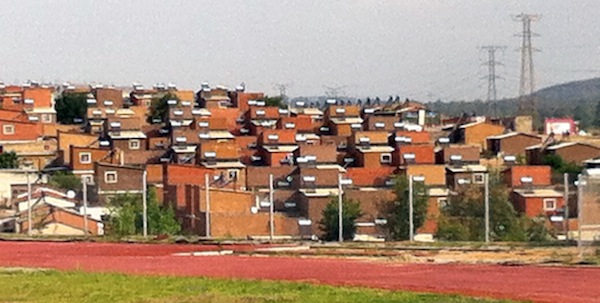
At the inception of ARP the Greater Alexandra township had roughly 90000 housing structures including old Alexandra and the relatively new areas like the East Bank, the Far East Bank, Marlboro Industrial, Wynberg, Kew and Marlboro Gardens. Out of these housing structures 6000 were old bonded houses, 500 were new houses, 52000 were backyard structures, 1800 were hostel rooms, 1 490 were flats, 19000 were public space shacks, 5000 were factory sub-divisions, and 4 000 were formal units on the East Bank.

People who previously lived on the flood lines have access to descent and habitable shelter in the form of new housing development initiatives and refurbished hostels which have been converted into family units.

  • 7,000 families have been relocated from the banks of Jukskei River and its banks grassed and cleaned up
  • Upgrading of existing housing has improved the housing situation including among others the development of new housing; transfer of publicly owned housing stock; redevelopment of the hostels; and relocation of informal dwellings

Local Government Publicity Video published on May 21, 2013 – Gauteng Department of Local Government and Housing has created the ARP to improve the living conditions in Alexandra Township located in Johannesburg Gauteng:

DOWNLOAD PDF:


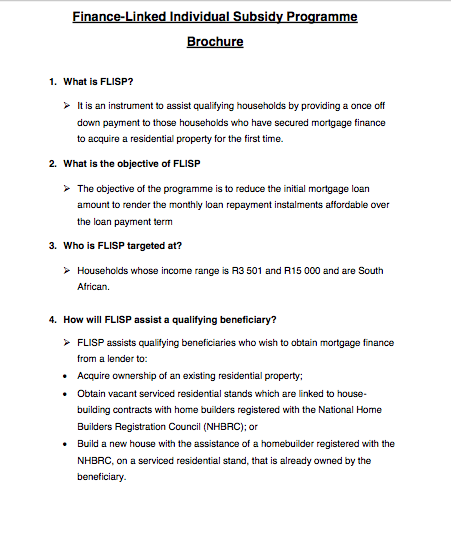
Finance-Linked Individual Subsidy Program Brochure


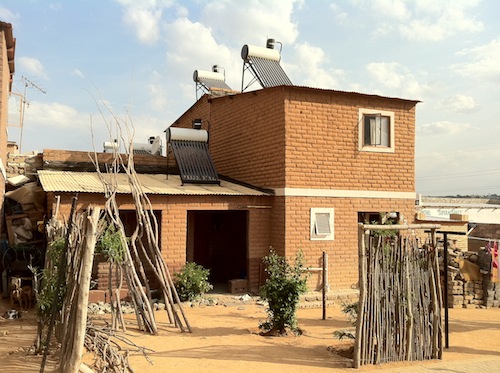
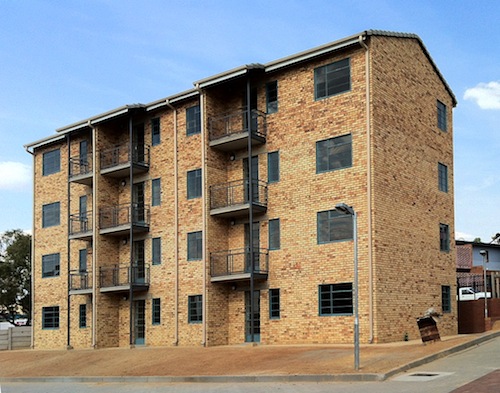
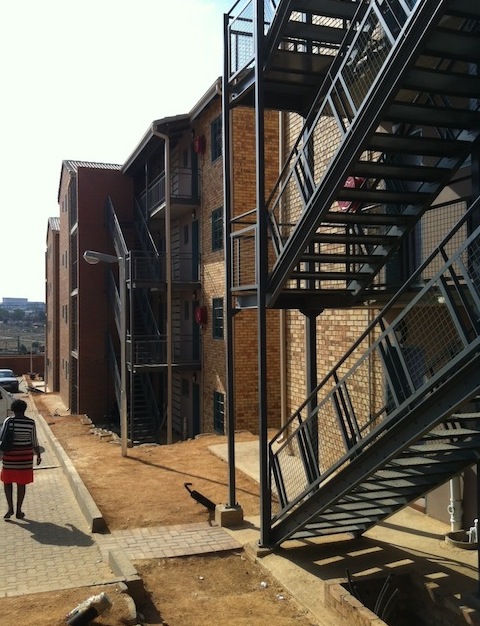
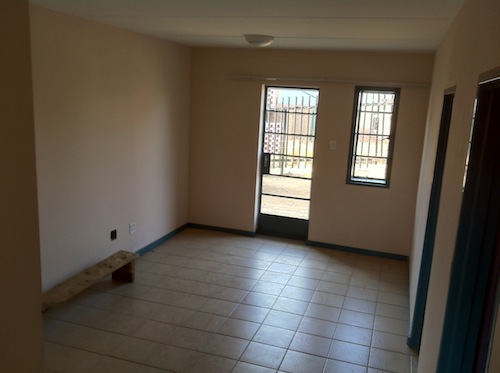
Mass housing


Building sample 1


Building sample 2


Building sample 3


Building sample 4


Alexandra Township


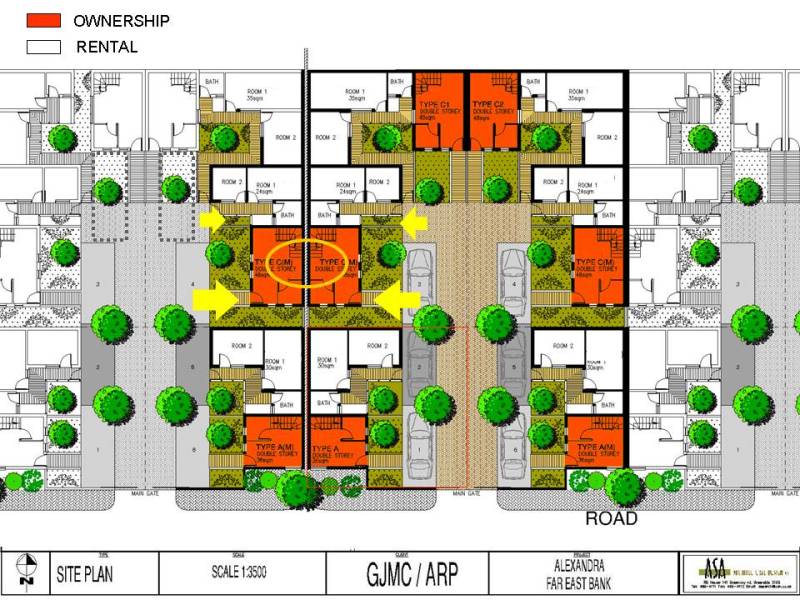
Housing layout plan


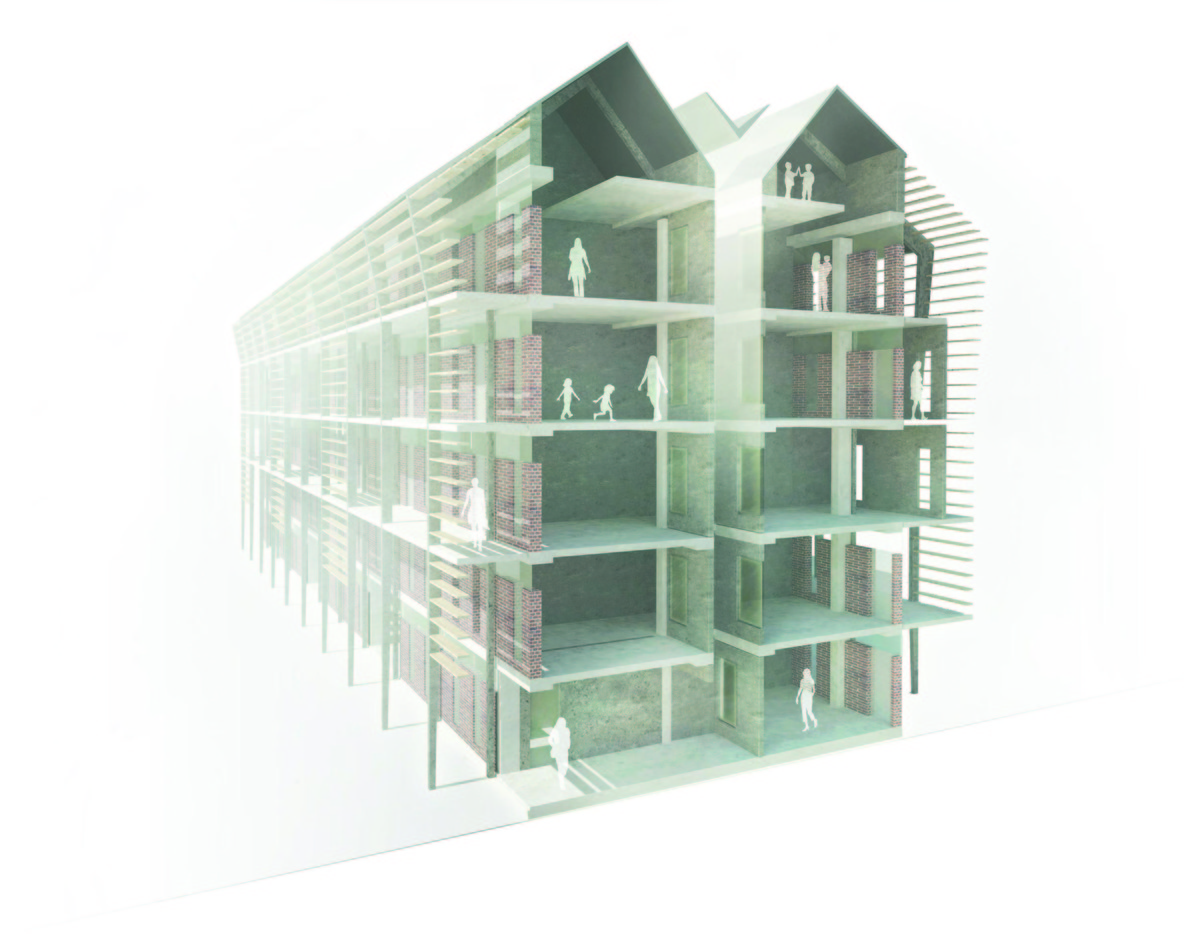
Housing model


Housing model

Old Alexandra Upgrading and Slum Removal

The Alexander Renewal Project – urban upgrading and slum removal program includes schools refurbishment, road construction, skills development centres for local employment development, backyard rental accommodation improvement and the removal of shack dwellings from the environmental risky river flood-plain.

The project is charged with upgrading the living conditions and human development potential within Alexandra. Alexandra is designated as one of the urban nodes in the South African government’s 10 year Integrated Sustainable Development and Urban Renewal Programme. There are 96 active projects of which work focus on housing and infrastructure development and upgrading.

The program includes the following sub-projects:

  • Upgrading existing urban housing and installing service infrastructure
  • Creating additional affordable housing opportunities
  • Substantially reducing levels of unemployment
  • Creating a healthy and clean environment
  • Reducing levels of crime and violence


Aerial photo of Alexandra Township      

PORTUGUESE:
O Alexander Renewal Project – requalificação urbana e assentamentos precarios programa inclui remodelação das escolas, construção de estradas, centros para o desenvolvimento do emprego local, elhoria de habitação quintal e a remoção de moradias barraca do rio arriscado dilúvio-plain ambiental.

O projeto é cobrado com a atualização das condições de vida e potencial de desenvolvimento humano dentro de Alexandra. Alex é designado como um dos projectos urbanos de Desenvolvimento Sustentável Integrado do Governo Sul-Africano e do Programa de Renovação Urbana. Há 96 projetos ativos de que o foco trabalham em habitação e desenvolvimento de infra-estrutura e modernização.

O programa inclui os seguintes sub-projetos:

  • Atualizando habitação urbana existente e instalação de infra-estrutura de serviços
  • Criação de oportunidades adicionais de moradia popular
  • A redução substancial dos níveis de desemprego
  • Criação de um ambiente saudável e limpo
  • A redução dos níveis de criminalidade e violência

AUDIO: Julian Baskin – Old Alexandra Township


Satellite image showing Old Alexandra Township and New Housing Area (click to enlarge)


Site plan (click to enlarge)


Backyard residences in Old Alexandra


Upgraded roads and infrastructure in Old Alexandra

AUDIO: Julian Baskin – Hostels Ethnic Violence & Migration


Jukskei River squatter settlementand flood plane


Jukskei flood plane slum


Jukskei River squatter settlement 


Alexandra Township slum

History of Alexandra Township

Reading the history of Alexandra Township (a name used by the apartheid government to describe a black settlement), one cannot but realise how easy it is for a human tragedy to occur – all it needs is the combination of a mass movement of poor rural families to the city; short sighted, inadequate, local government, and a misguided national government – to destroy the lives of ordinary citizens. Today, Alex, as the township is lovingly known by its residents, is gradually starting to overcome its past, over 100 years later. But to understand how difficult the road has been, let’s get back to the beginning.

AUDIO: Julian Baskin – History of Alexandra Township

DOWNLOAD PDF:


History of Alexandra article


Historical photos of Alexandra Township

AUDIO: Julian Baskin – Hostels Ethnic Violence & Migration


Migrant worker hostel

Visit to Alexandra Township

Julian Baskin, has since joined the Cities Alliance in 2009 as a Sr. Urban Specialist. He said that “The success of the Alex Project is in part due to the alignment of interest between the national, provincial, and local government levels,” As a direct result of the project, almost three quarters of the residents now have access to water and sanitation and 88 percent enjoy safe electricity.

The experience of Alexandra Project can provide lessons for urban renewal in Luanda and other Angolan cities. Fundamental to the success of the Alex Project was the approach to participatory planning that actively engaged existing residents through the Alexandra Citizens Forum. Julian Baskin introduced the Forum concept into the Luanda Urban Poverty Program back in 2002 in Kilamba Kiaxi and today the Municipal Forum movement has spread throughout Angola and has influenced the creation of Consultative Councils in every municipality of the country.

The audio presentation is based on a combination of field recordings of discussions with Julian and his colleagues and information drawn from Internet archives.

DOWNLOAD MATERIAL:

 
Location Map     


Press Release: Alexandra Renewal Project wins prestigious UN award


Click above to read the MIT Urban Upgrading Report on the ARP


Cities Alliance mission

  • « Go to Previous Page
  • Page 1
  • Interim pages omitted …
  • Page 247
  • Page 248
  • Page 249
  • Page 250
  • Page 251
  • Interim pages omitted …
  • Page 287
  • Go to Next Page »

Primary Sidebar

Resources

  • Angolan Media Scan
  • Online Library
  • Land Library
  • Community-Led Total Sanitation
  • Community Water – MoGeCA
  • KixiCrédito
  • HabiTec
  • LUPP
  • Urban Forum on AngoNet
  • AngoNet Webmail
  • Audio Archive
  • Africa-China Urban Initiative

Follow us on...

Sign up for E-Alerts

© 2026 Development Workshop Angola | Log in Built by PeaceWorks

  • Home
  • About DW
  • Programs
  • Partners
  • Publications
  • Community Media
  • Forums
  • Events
  • Contact