• Skip to primary navigation
  • Skip to main content
  • Skip to primary sidebar
DW Angola

DW Angola

Development Workshop Angola

  • About DW
    • About DW Angola
    • Timeline
    • Articles About DW
    • About Angola
    • Key Members & Staff
  • Programs
    • Water & Sanitation
    • Land Rights & Settlements
    • Climate Change
    • Informal Economy
    • Microfinance
    • Research
    • Voices of Citizens for Urban Change
    • Decentralisation & Governance
    • Natural Resources, Mining & Development
    • Peacebuilding & Citizenship
    • Urban Transport
    • AngoNet
  • Partners
  • Publications
    • Books by DW
    • Papers by DW
    • Articles about DW
    • DW Developments
    • Compendium of Angolan laws
  • Community Media
    • Ondaka
    • A Voz de Cacuaco
    • Boletim Informativo
    • Ecos do Heneda
    • Inforsambila
    • Journal Humbi-Humbi
    • Reconversáo
  • Forums
    • Friday Debates
    • Housing Finance
    • Urban Debates
    • Social & Economic Rights Forum
    • Sustainable Urban Planning
    • Training Courses
    • Espaço Sociedade Civil
    • Fórum Urbano no AngoNet
    • Fórum Cazenga
    • Fórum Cacuaco
    • Staff Blog
  • Events
    • COVID-19 Actions
  • Contest
  • Contact
  • English
    • English
    • Português
  • Show Search
Hide Search

Informal Economy

LnRiLWZpZWxke21hcmdpbi1ib3R0b206MC43NmVtfS50Yi1maWVsZC0tbGVmdHt0ZXh0LWFsaWduOmxlZnR9LnRiLWZpZWxkLS1jZW50ZXJ7dGV4dC1hbGlnbjpjZW50ZXJ9LnRiLWZpZWxkLS1yaWdodHt0ZXh0LWFsaWduOnJpZ2h0fS50Yi1maWVsZF9fc2t5cGVfcHJldmlld3twYWRkaW5nOjEwcHggMjBweDtib3JkZXItcmFkaXVzOjNweDtjb2xvcjojZmZmO2JhY2tncm91bmQ6IzAwYWZlZTtkaXNwbGF5OmlubGluZS1ibG9ja311bC5nbGlkZV9fc2xpZGVze21hcmdpbjowfQ==
Lndwdi1wYWdpbmF0aW9uLW5hdi1saW5rc1tkYXRhLXRvb2xzZXQtdmlld3Mtdmlldy1wYWdpbmF0aW9uLWJsb2NrPSJiYmMyZWQ0M2I3MjZmMzllZmVjYWQxZDUwMGY2YmU0YyJdIHsgdGV4dC1hbGlnbjogbGVmdDtqdXN0aWZ5LWNvbnRlbnQ6IGZsZXgtc3RhcnQ7IH0gLnRiLWNvbnRhaW5lciAudGItY29udGFpbmVyLWlubmVye3dpZHRoOjEwMCU7bWFyZ2luOjAgYXV0b30gLnRiLWdyaWQsLnRiLWdyaWQ+LmJsb2NrLWVkaXRvci1pbm5lci1ibG9ja3M+LmJsb2NrLWVkaXRvci1ibG9jay1saXN0X19sYXlvdXR7ZGlzcGxheTpncmlkO2dyaWQtcm93LWdhcDoyNXB4O2dyaWQtY29sdW1uLWdhcDoyNXB4fS50Yi1ncmlkLWl0ZW17YmFja2dyb3VuZDojZDM4YTAzO3BhZGRpbmc6MzBweH0udGItZ3JpZC1jb2x1bW57ZmxleC13cmFwOndyYXB9LnRiLWdyaWQtY29sdW1uPip7d2lkdGg6MTAwJX0udGItZ3JpZC1jb2x1bW4udGItZ3JpZC1hbGlnbi10b3B7d2lkdGg6MTAwJTtkaXNwbGF5OmZsZXg7YWxpZ24tY29udGVudDpmbGV4LXN0YXJ0fS50Yi1ncmlkLWNvbHVtbi50Yi1ncmlkLWFsaWduLWNlbnRlcnt3aWR0aDoxMDAlO2Rpc3BsYXk6ZmxleDthbGlnbi1jb250ZW50OmNlbnRlcn0udGItZ3JpZC1jb2x1bW4udGItZ3JpZC1hbGlnbi1ib3R0b217d2lkdGg6MTAwJTtkaXNwbGF5OmZsZXg7YWxpZ24tY29udGVudDpmbGV4LWVuZH1AbWVkaWEgb25seSBzY3JlZW4gYW5kIChtYXgtd2lkdGg6IDc4MXB4KSB7IC50Yi1jb250YWluZXIgLnRiLWNvbnRhaW5lci1pbm5lcnt3aWR0aDoxMDAlO21hcmdpbjowIGF1dG99IC50Yi1ncmlkLC50Yi1ncmlkPi5ibG9jay1lZGl0b3ItaW5uZXItYmxvY2tzPi5ibG9jay1lZGl0b3ItYmxvY2stbGlzdF9fbGF5b3V0e2Rpc3BsYXk6Z3JpZDtncmlkLXJvdy1nYXA6MjVweDtncmlkLWNvbHVtbi1nYXA6MjVweH0udGItZ3JpZC1pdGVte2JhY2tncm91bmQ6I2QzOGEwMztwYWRkaW5nOjMwcHh9LnRiLWdyaWQtY29sdW1ue2ZsZXgtd3JhcDp3cmFwfS50Yi1ncmlkLWNvbHVtbj4qe3dpZHRoOjEwMCV9LnRiLWdyaWQtY29sdW1uLnRiLWdyaWQtYWxpZ24tdG9we3dpZHRoOjEwMCU7ZGlzcGxheTpmbGV4O2FsaWduLWNvbnRlbnQ6ZmxleC1zdGFydH0udGItZ3JpZC1jb2x1bW4udGItZ3JpZC1hbGlnbi1jZW50ZXJ7d2lkdGg6MTAwJTtkaXNwbGF5OmZsZXg7YWxpZ24tY29udGVudDpjZW50ZXJ9LnRiLWdyaWQtY29sdW1uLnRiLWdyaWQtYWxpZ24tYm90dG9te3dpZHRoOjEwMCU7ZGlzcGxheTpmbGV4O2FsaWduLWNvbnRlbnQ6ZmxleC1lbmR9IH0gQG1lZGlhIG9ubHkgc2NyZWVuIGFuZCAobWF4LXdpZHRoOiA1OTlweCkgeyAudGItY29udGFpbmVyIC50Yi1jb250YWluZXItaW5uZXJ7d2lkdGg6MTAwJTttYXJnaW46MCBhdXRvfSAudGItZ3JpZCwudGItZ3JpZD4uYmxvY2stZWRpdG9yLWlubmVyLWJsb2Nrcz4uYmxvY2stZWRpdG9yLWJsb2NrLWxpc3RfX2xheW91dHtkaXNwbGF5OmdyaWQ7Z3JpZC1yb3ctZ2FwOjI1cHg7Z3JpZC1jb2x1bW4tZ2FwOjI1cHh9LnRiLWdyaWQtaXRlbXtiYWNrZ3JvdW5kOiNkMzhhMDM7cGFkZGluZzozMHB4fS50Yi1ncmlkLWNvbHVtbntmbGV4LXdyYXA6d3JhcH0udGItZ3JpZC1jb2x1bW4+Knt3aWR0aDoxMDAlfS50Yi1ncmlkLWNvbHVtbi50Yi1ncmlkLWFsaWduLXRvcHt3aWR0aDoxMDAlO2Rpc3BsYXk6ZmxleDthbGlnbi1jb250ZW50OmZsZXgtc3RhcnR9LnRiLWdyaWQtY29sdW1uLnRiLWdyaWQtYWxpZ24tY2VudGVye3dpZHRoOjEwMCU7ZGlzcGxheTpmbGV4O2FsaWduLWNvbnRlbnQ6Y2VudGVyfS50Yi1ncmlkLWNvbHVtbi50Yi1ncmlkLWFsaWduLWJvdHRvbXt3aWR0aDoxMDAlO2Rpc3BsYXk6ZmxleDthbGlnbi1jb250ZW50OmZsZXgtZW5kfSB9IA==

The breadth of Angola’s “informal sector”—and its role in the lives of most Angolans— cannot be overstated. Throughout the vast urban musseques of peri-urban Luanda in which approximately 1 in 3 Angolans currently reside, essential services — such as water, food, fuel and transport — are provided largely through private initiative in the informal sector. Moreover, Developmet Workshop research has shown, for most Angolans land has been obtained through informal mechanisms. Notably this is not only the case in rural communities where customary legal practices prevail, but is also the case for the overwhelming majority of Angola’s rapidly growing urban population.

The informal sector grew during the conflict years and in the capital city of Luanda alone was estimated to employ 37% of the entire country’s labour force in 1998, justifying the assessment at the end of the war, in a 2002 UNDP report that “Luanda has become the largest laboratory for survival strategies in the world.” In Luanda strategically-sited urban marketplaces are linked to dozens of smaller satellite markets and eventually street sellers—and dominate the wholesale and retail trade, serving as both a distribution outlet for rural produce and the major source of imported and national products for urban consumers and rural traders alike.

Government policies have often excluded the poor by legislating against the informal sector. Colonial era city bye-laws have been resurrected to prohibit street trading and close down the large informal urban markets. Such policies run counter to the aims of the Government’s own Poverty Reduction Strategies. Policies have been enacted based on prejudice, no contextual investigation and little debate.

DW’s research has provided basic baseline information about the informal market’s structural profile, as well as in-depth knowledge about the dynamics of informal peri-urban markets. DW aims to provide a comprehensive documentation and analysis of the Angolan informal economy and advocate for how it can be transformed in light of the new challenges and opportunities, potentially affecting the livelihoods of the millions of Angolans whose livelihoods depend upon it.

Scavenging Review in Luanda 2005 Final Report
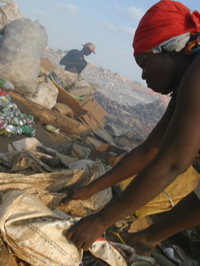
scavenging_2005
Date: August 5, 2005

The 2005 DW Scavenger Study was conducted in August of 2005 and set out to examine whether scavenging still occurs in urban Luanda and on its periphery. While illustrating that …

Read more

Luanda Peri-Urban Gender & Household Profile Final Report
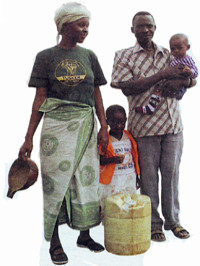
family_water_bidon
Date: July 1, 2002

This study presents quantitative and qualitative findings gathered in the peri-urban areas of Luanda from December 2001 to January 2002 by Development Workshop.  The study aimed to trace the profile …

Read more

Scavenging Study in Luanda 1997 Final Report
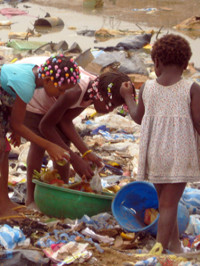
scavenging_icon
Date: July 1, 1997

In July 1997 Development Workshop carried out a study on scavenging activities in the city of Luanda. The study was performed to gather concrete and accurate information on scavenging activities …

Read more

Women’s Enterprise Development Programme Evaluation Report
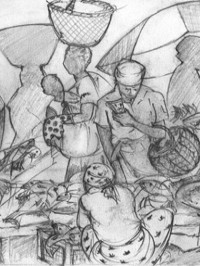
fish_market
Date: April 1, 1997

The present progect report is situated within the context of DW’s Luanda Women’s Enterprise Development Programme which is a micro-enterprise pilot programme using a participatory subsector approach within the informal …

Read more

Economic Reintegration: Women Focused Family Survival Strategies Proposal
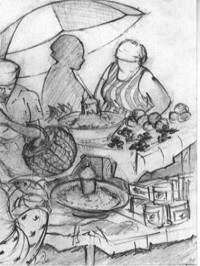
market_1
Date: January 1, 1997

The present progect proposal is situated within the context of DW’s Luanda Women’s Enterprise Development Programme which is a micro-enterprise pilot programme using a participatory subsector approach within the informal …

Read more

Women’s Peri-Urban Enterprise Development Project Fish Market Sub-Sector Study
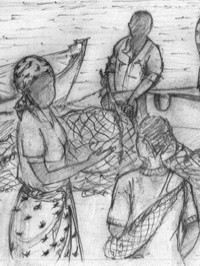
fish_buying
Date: April 1, 1996

This report is the first component of the Women’s Enterprise Development Project and uses a participatory sub-sector approach. The purpose of the research component is to determine interventions that will …

Read more

Scoping Study: target group assessment for Women’s Enterprise Development
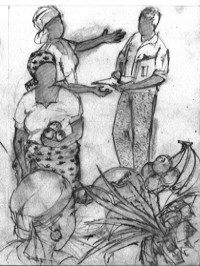
loan_officer_or_fiscalizador
Date: September 1, 1993

The target group analysis for the present project focuses on a group of thirty women entrepreneurs from the informal sector working and living in the district of N’Gola Kiluange, which …

Read more

Ngola Kiluanje: Report on Micro-Enterprise 1992
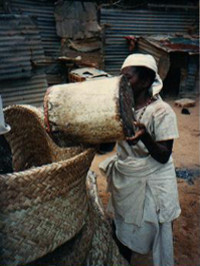
microenterprise_fuba
Date: September 1, 1992

Ngola Kiluanje, one of the administrative areas in the municipality of Sambizanga, is 8 km from the centre of Luanda on the main road north of the city. Before independence …

Read more

Angola Country Gender Analysis 1991

fish_sellers_carrying
Date: October 1, 1991

Contrary to the situation in other SADCC countries, there exist virtually no reports or documentation about gender aspects and their relations to the developments taking place in Angola. Rural women …

Read more
  • First
  • Previous
  • 1
  • 2
  • Next

Primary Sidebar

Resources

  • Angolan Media Scan
  • Online Library
  • Land Library
  • Community-Led Total Sanitation
  • Community Water – MoGeCA
  • KixiCrédito
  • HabiTec
  • LUPP
  • Urban Forum on AngoNet
  • AngoNet Webmail
  • Audio Archive
  • Africa-China Urban Initiative

Follow us on...

Sign up for E-Alerts

© 2026 Development Workshop Angola | Log in Built by PeaceWorks

  • Home
  • About DW
  • Programs
  • Partners
  • Publications
  • Community Media
  • Forums
  • Events
  • Contact