• Skip to primary navigation
  • Skip to main content
  • Skip to primary sidebar
DW Angola

DW Angola

Development Workshop Angola

  • About DW
    • About DW Angola
    • Timeline
    • Articles About DW
    • About Angola
    • Key Members & Staff
  • Programs
    • Water & Sanitation
    • Land Rights & Settlements
    • Climate Change
    • Informal Economy
    • Microfinance
    • Research
    • Voices of Citizens for Urban Change
    • Decentralisation & Governance
    • Natural Resources, Mining & Development
    • Peacebuilding & Citizenship
    • Urban Transport
    • AngoNet
  • Partners
  • Publications
    • Books by DW
    • Papers by DW
    • Articles about DW
    • DW Developments
    • Compendium of Angolan laws
  • Community Media
    • Ondaka
    • A Voz de Cacuaco
    • Boletim Informativo
    • Ecos do Heneda
    • Inforsambila
    • Journal Humbi-Humbi
    • Reconversáo
  • Forums
    • Friday Debates
    • Housing Finance
    • Urban Debates
    • Social & Economic Rights Forum
    • Sustainable Urban Planning
    • Training Courses
    • Espaço Sociedade Civil
    • Fórum Urbano no AngoNet
    • Fórum Cazenga
    • Fórum Cacuaco
    • Staff Blog
  • Events
    • COVID-19 Actions
  • Contest
  • Contact
  • English
    • English
    • Português
  • Show Search
Hide Search

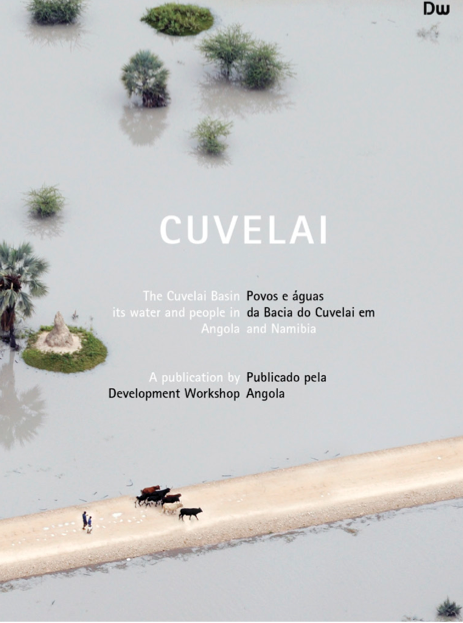
The Cuvelai Basin, it’s water and it’s people in Angola and Namibia

January 1, 2011

The Cuvelai Basin, it’s water and it’s people in Angola and Namibia, written by John Mendelsohn and Beat Weber, was published in 2011 by Development Workshop (in Portuguese and English), with special recognition to BP Angola and Google Earth. The Cuvelai Basin is perhaps unique in the world as a drainage system that consists of hundreds of channels that join and separate thousands of times. This is an inland drainage with no outlet to the sea. Compared to surrounding areas and much of southern Africa, the Cuvelai is home to a very large number of people, largely because of the presence of shallow groundwater and relatively fertile soils in many areas.

It is hoped that the information provided here will allow public servants in Angola and Namibia to understand the nature and potential consequences of flooding in new ways. Likewise, members of civil society organisations, and of disaster and development agencies should have more information on which to base their planning and humanitarian work.

DOWNLOAD PDF
Primary Sidebar

Resources

  • Angolan Media Scan
  • Online Library
  • Land Library
  • Community-Led Total Sanitation
  • Community Water – MoGeCA
  • KixiCrédito
  • HabiTec
  • LUPP
  • Urban Forum on AngoNet
  • AngoNet Webmail
  • Audio Archive
  • Africa-China Urban Initiative

Follow us on...

Sign up for E-Alerts

© 2026 Development Workshop Angola | Log in Built by PeaceWorks

  • Home
  • About DW
  • Programs
  • Partners
  • Publications
  • Community Media
  • Forums
  • Events
  • Contact